
Reviewed · JUNGFRAUJOCH TOURS
Jungfraujoch & Lauterbrunnen Alpine Tour | From Basel
Jungfraujoch is the star here: at 3,466 meters, you reach a glacier saddle by rail and step into a world of ice, rock, and wide mountain views. The route from Basel adds Grindelwald, Lauterbrunnen, and Interlaken, so you get more than a quick ride to a snow station.
I like the small group size of up to 15 people, which should make train changes and guide questions easier. I also like having the rail passes arranged in advance, especially on a day that uses several trains and the Eiger Express. Guides including Leighton, Juliana, Jonas, and Ray have been praised for patient explanations and careful timing.
The drawback is the length and cost: at about 11 hours and $770.73 per person, this is a serious day trip. You will spend much of it moving between towns and mountain stations, and poor weather can affect the biggest views.
Key points to know before you book
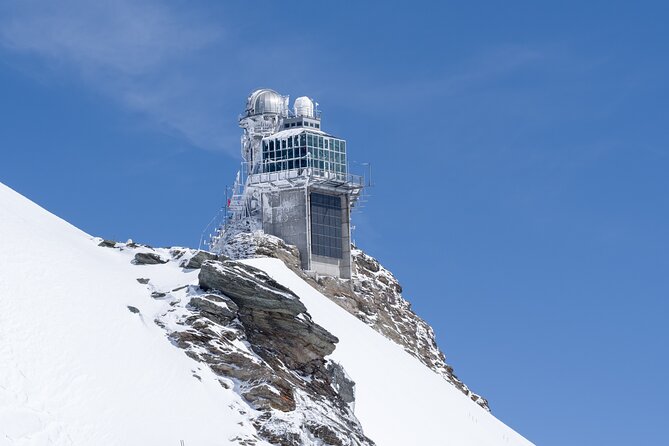
- Jungfraujoch reaches 3,466 meters, with an ice palace, viewing platform, and frosty glacier scenery.
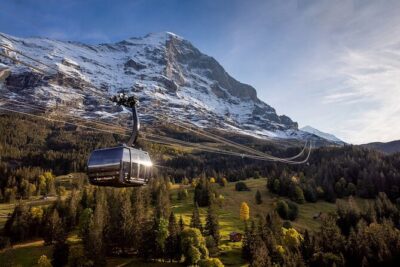
- The Eiger Express connects Grindelwald with Eiger Glacier Station, adding a scenic cable-car leg to the rail journey.
- Lauterbrunnen includes a walk to Staubbach Falls, where water drops 297 meters from the cliffs.
- Interlaken gives you time for town streets, lake views, shops, and cafes after the high mountain visit.
- A local English-speaking guide handles the rail passes and route, useful on a day with several connections.
- The group is capped at 15 people, and lunch at Jungfraujoch is not included.
Why this Basel day trip works
The appeal is simple: you can see several of the Bernese Oberland’s best-known places without building the rail plan yourself. From Basel, the route heads toward Interlaken, Grindelwald, Kleine Scheidegg, and Jungfraujoch, then returns through Lauterbrunnen and Interlaken before heading home.
That route gives you a useful contrast. Jungfraujoch is high, cold, and engineered into the mountain. Lauterbrunnen is a green valley town framed by cliffs and waterfalls. Interlaken feels more open and social, with shops, cafes, timber houses, and access to two lakes.
I like this mix because it keeps the day from becoming one long mountain viewpoint. You get alpine scenery from trains, gondola travel, valley walks, and town streets. The tradeoff is that the schedule is full. This is not a slow-paced outing with long breaks in each village.
The meeting point is Basel SBB at Centralbahnstrasse 10, with an 8:30 am start. Your guide meets you at the station, and the activity ends back there. A mobile ticket is provided, and the tour is offered in English.
More ways up to the Jungfraujoch:
- Jungfraujoch Top of Europe Private Day Trip from Basel
★ 5.0 · 8 reviews - Jungfraujoch: Top of Europe Day Trip from Zurich
★ 4.5 · 1,647 reviews - Jungfraujoch Day Trip from Zurich: Swiss Alps & Bernese Oberland
★ 4.5 · 1,409 reviews
Starting with Swiss rail travel from Basel
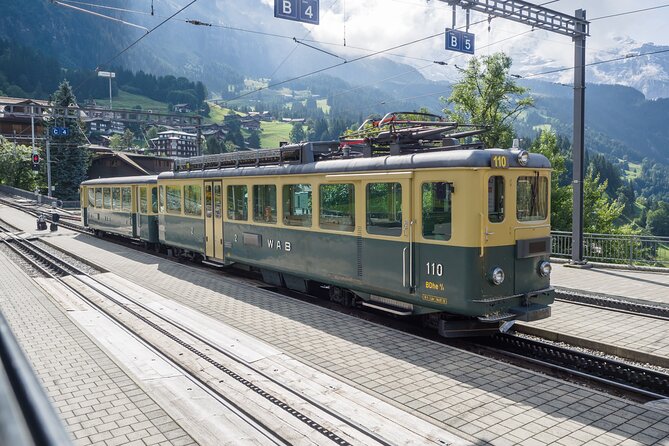
The first part of the day is a travel experience in its own right. You head toward the Alps through Interlaken, Zweilütschinen, Grindelwald, and Kleine Scheidegg. As the train climbs, towns give way to steep rock faces, glacial lakes, and high mountain views.
The guide explains the communities and regions along the way, adding context to what you see from the carriage window. That matters because Swiss rail travel can otherwise feel like a string of station changes. With the route arranged for you, you can pay attention to the scenery instead of checking every connection.
The included standard rail pass, Jungfraujoch pass, and half-fare pass are a useful part of the package. You are paying a premium, but the price includes the main transportation needed for this route. The guide also handles the practical rhythm of the day, something that becomes especially valuable when the group must move between trains, gondolas, and mountain stations.
Still, keep your expectations realistic. The Basel to Bernese Oberland journey takes time, and the first and final portions are transfers rather than guided sightseeing stops. If your main goal is only Jungfraujoch, arranging your own train tickets may offer more flexibility. If you want several places in one day without sorting out the rail system yourself, the guided format makes better sense.
The Eiger Express and Grindelwald views
One of the more memorable transport legs is the Eiger Express from Grindelwald to Eiger Glacier Station. From the gondola, you look over Grindelwald and toward the high peaks. The wording of the route suggests a quick, scenic rise from the village to the mountain railway connection.
Grindelwald is not treated as a long independent stop, so do not book this expecting hours to explore its streets. Instead, you see it as part of the journey to Jungfraujoch. That is a fair use of time on a packed day, since the main goal is the high station.
The Eiger Express also breaks up the rail travel. You move from a village setting into a steeper mountain zone, then continue toward Jungfraujoch. The guide’s role is practical here: keeping the group together and helping the route stay on schedule.
I would pay attention to the weather at this point. Clouds can limit what you see from the gondola and from the summit area. Since the experience requires good weather, poor conditions may lead to a new date or a full refund rather than a normal outing.
Jungfraujoch at 3,466 meters
Jungfraujoch is the centerpiece. The railway climbs through the Alps to 3,466 meters, where the station sits on a glacier saddle above the Aletsch Glacier. The final approach is dramatic, with steep rock, snow, and high mountain views replacing the softer valley scenery.
A notable part of the climb is the stop at Eismeer Station. At this height, the train gives you a chance to look out at an icy mountain setting before continuing to Jungfraujoch. The view from the train is a major part of the experience, so try not to treat the rail sections as dead time.
At the summit area, you can visit the viewing platform and see ice sculptures and frozen surroundings. The cold is not an afterthought. Even when conditions are pleasant in Basel or Interlaken, Jungfraujoch can feel sharply wintry, and wind can make it colder still.
You have about three hours allocated to Jungfraujoch. That is enough to see the main sights and take photographs, but it is not unlimited time for every attraction in the complex. The focus is on the platform, ice features, glacier setting, and the unusual experience of arriving at Europe’s highest railway station.
Lunch is not included, though food can be purchased at Jungfraujoch by card. That makes planning easy enough, but it adds to the day’s expense. At this price, I would budget for lunch and drinks rather than assume the advertised fare covers everything.
The altitude is another practical point. The tour description says most people can participate, but it does not promise that everyone will feel comfortable at 3,466 meters. Move at your own pace and listen to the guide’s instructions. The high station is the reason to book this trip, but it is also the part most affected by cold, wind, and cloud.
A few more Basel trips worth comparing
- Stories of Basel’s Old Town
★ 4.5 · 203 reviews - Basel Farmer’s Market, Cheese, Chocolate & Pastry Tour
★ 4.5 · 171 reviews - Basel City Sightseeing Bus Tour
★ 3.5 · 104 reviews - Basel Historical Old Town Tour
★ 4.0 · 99 reviews
Lauterbrunnen and the 297-meter Staubbach Falls
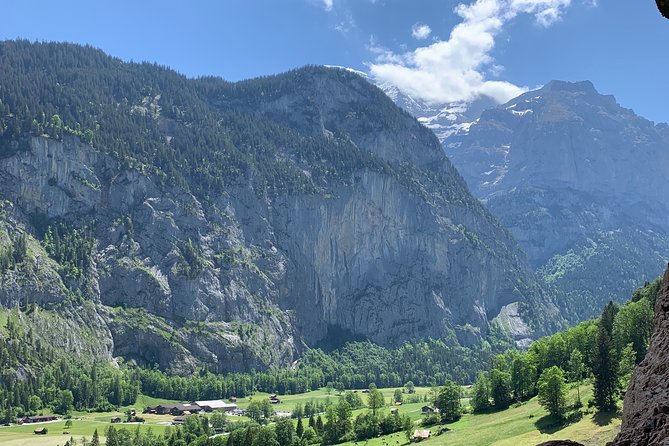
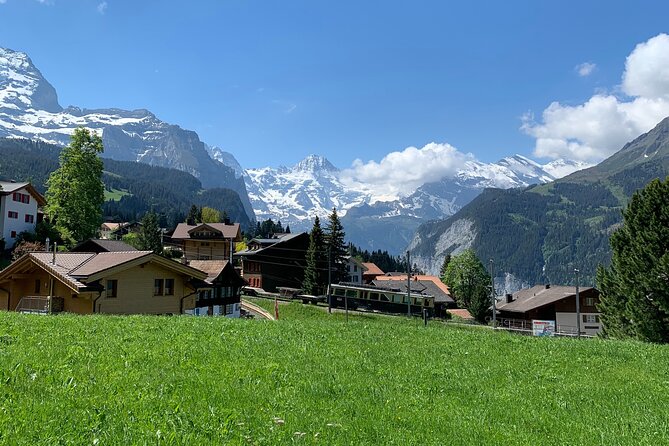
After the high mountain stop, the route changes character. You travel toward Interlaken through Wengen and pause at Lauterbrunnen, a valley town surrounded by tall rock walls and waterfalls.
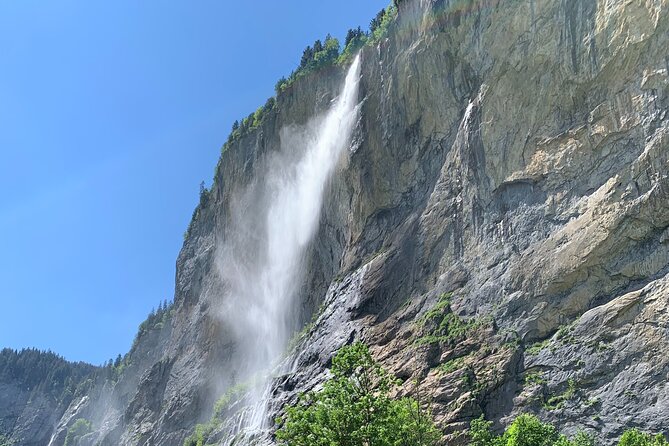
The walk to Staubbach Falls is one of the most satisfying short stops of the day. The water drops 297 meters from the cliff above, breaking into spray as it falls. It is a simple sight, but the setting gives it force: a narrow valley, high walls, and a waterfall that seems to hang in the air.
You have about an hour here. That is enough for the walk and photographs, but not for a long village visit or a broad exploration of the valley. I see this as a well-judged stop after Jungfraujoch. It gives you fresh air and a lower-altitude view of the Alps without asking you to tackle another major attraction.
Your guide adds stories about the falls and the surrounding area. That personal explanation helps turn a quick photo stop into something more meaningful. Still, bring sensible footwear. The supplied information does not describe a demanding hike, but you will be walking from the town to the falls and back within a timed day.
Interlaken between Lake Thun and Lake Brienz
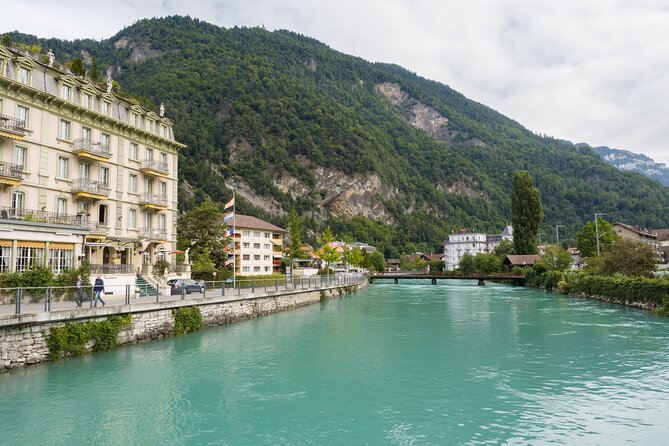
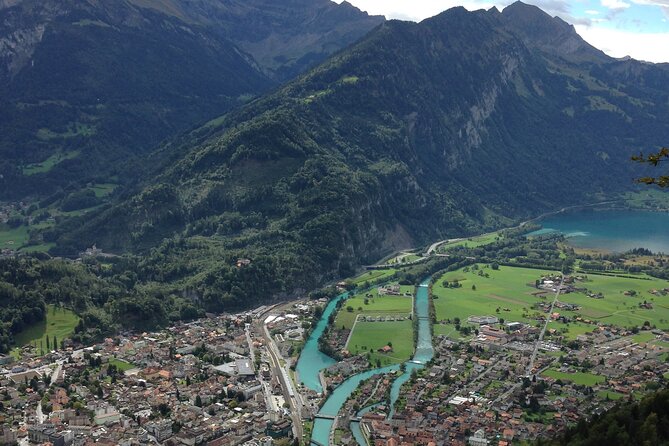
Interlaken gets about two hours, making it the most relaxed town stop. The town sits between Lake Thun and Lake Brienz and has long served as a gateway to the surrounding mountains.
Here you can walk along the streets, look at timber houses, pause at a cafe, and watch buskers. The town also has shops selling Swiss goods, food and drink, souvenirs, and outdoor equipment. That makes Interlaken a practical place for a small purchase at the end of the day.
The lakes are part of the appeal, especially in summer, when their clear water provides a pleasant contrast to the snow and ice at Jungfraujoch. The tour description allows time to enjoy the water from the shore and walk along the promenade, though it does not include a lake cruise or a dedicated boat ride.
I appreciate the change of pace here. After strict train connections and cold mountain air, you can walk without rushing from one platform to another. But this remains a guided day trip, not a free afternoon. Two hours passes quickly if you want a proper meal, shopping, and a long lakeside walk.
The guide can make or break the day
This route depends heavily on the guide. The rail system is efficient, but the day involves enough moving parts that calm organization matters. You need someone who can explain the region, keep the group on schedule, and still give you room to enjoy the views.
The named guides associated with this experience include Leighton Facey, Juliana, Jonas, and Ray. Leighton is described as offering detailed explanations with patience and grace, while Juliana is noted for interesting facts and a friendly manner. Jonas is praised for being polite, patient, and well organized, and Ray is credited with planning train, gondola, and timing details smoothly during a cold winter outing.
Those details tell you what to value here. The best part of a guided rail trip is not simply having someone point at mountains. It is knowing which platform to use, when to move, and how the parts fit together. A patient guide also helps if weather changes the pace or if you need extra time to understand the route.
The maximum group size is 15. That is still a group, but it is far more manageable than a large coach outing. You should be able to ask questions and hear the guide, although the tour’s pace still needs to suit everyone.
Is $770.73 a fair price?
At $770.73 per person, this is expensive. The value comes from the combination of transportation, guide service, and multiple destinations rather than from one isolated attraction.
You receive the local guide, standard rail pass, Jungfraujoch pass, and half-fare pass. The Eiger Express and mountain railway segments are central to the day, and the guide organizes a route that would take time to assemble on your own. You also get stops at Lauterbrunnen and Interlaken instead of paying for a Jungfraujoch visit alone.
I would consider the price reasonable for a first-time visitor who has limited time, dislikes complex rail planning, and wants an English-speaking guide throughout the day. It is less attractive if you are comfortable buying Swiss train tickets, reading schedules, and spending more time in one place.
Lunch is extra, and no other personal purchases are included. Factor that into your budget. The trip’s high cost also makes clear weather important. You are paying for views that may be reduced by cloud or snow, although the guide, rail journey, and towns still give the day substance.
Who should book this experience?
I would choose this tour if you are based in Basel and want one major alpine day without renting a car or planning several rail legs. It suits first-time visitors who want Jungfraujoch, Lauterbrunnen, and Interlaken in one outing.
It also fits people who enjoy scenic transportation. The trains, Eiger Express, mountain stations, and valley route are not just ways to get somewhere. They are a large part of what you are paying to experience.
I would hesitate if you want an easy half-day, a leisurely village stay, or the lowest possible price. The 8:30 am departure and 11-hour duration make this a full commitment. Winter conditions can add cold, wind, and reduced visibility, as the guide Ray’s winter outing shows.
Free cancellation is available if you cancel at least 24 hours before the start time. The experience requires good weather, and a weather cancellation brings the choice of another date or a full refund. Service animals are allowed, the meeting point is near public transportation, and most people can participate according to the supplied tour details.
Should you book the Jungfraujoch and Lauterbrunnen tour?
Book it if you want the Swiss Alps in one carefully arranged day and value a guide who handles the rail details. The strongest reasons are the high mountain railway, the Eiger Express, the 297-meter Staubbach Falls, and the chance to compare Jungfraujoch with the lower valleys and Interlaken.
Skip it if $770.73 feels too steep or if you prefer to set your own pace. This is a packed, weather-sensitive day, not a relaxed village tour. For the right reader, though, it offers a practical way to connect Basel with some of Switzerland’s most striking mountain sights.
FAQ
Where does the tour start?
The tour starts at Basel SBB, Centralbahnstrasse 10, 4051 Basel, Switzerland.
What time does the tour begin?
The start time is 8:30 am.
How long does the tour last?
The experience lasts approximately 11 hours.
Is the tour offered in English?
Yes. The tour is offered in English and includes a local guide.
What transportation passes are included?
The tour includes a standard rail pass, Jungfraujoch pass, and half-fare pass.
Is lunch included?
No. Lunch is not included, but food can be purchased by card at Jungfraujoch.
What places are visited during the tour?
The route includes Jungfraujoch, Grindelwald, Lauterbrunnen, Staubbach Falls, and Interlaken, with the journey beginning and ending in Basel.
What happens if bad weather cancels the tour?
If poor weather causes a cancellation, you will be offered a different date or a full refund. You can also cancel for a full refund if you cancel at least 24 hours before the experience starts.
Recently added in Basel
- The nightwatchman’s secret★ 5.0 · 3 reviews
- Tour on the vintage tram★ 4.0 · 8 reviews
- Private Arrival Transfer: from Basel Airport to Zurich City★ 5.0 · 4 reviews
- Private Transfer Service from Basel to Basel Airport★ 5.0 · 3 reviews
- Private Full-Day Tour to Grindelwald Lauterbrunnen Interlaken Mürren from Basel★ 5.0 · 14 reviews
- Glacier Express Panoramic Train Round Trip in one Day Private Tour from Basel★ 4.0 · 13 reviews
- Private direct transfer: Basel to Zurich, English speaking driver★ 4.5 · 8 reviews
- Discover Basel’s most Photogenic Spots with a Local★ 4.5 · 13 reviews
Jungfraujoch Tours, compared.
Jungfraujoch: Top of Europe Day Trip from Zurich
Read our review →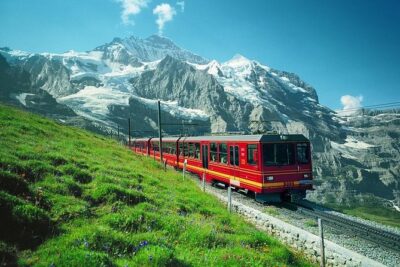
Jungfraujoch Day Trip from Zurich: Swiss Alps & Bernese Oberland
Read our review →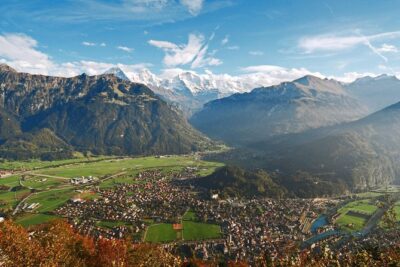
Jungfraujoch Top of Europe Day Trip from Lucerne
Read our review →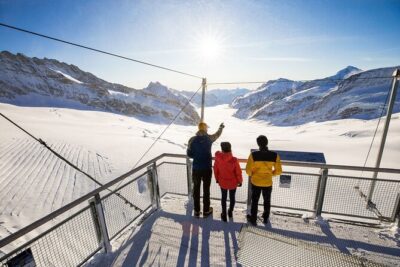
Jungfraujoch Top of Europe Day Trip from Interlaken
Read our review →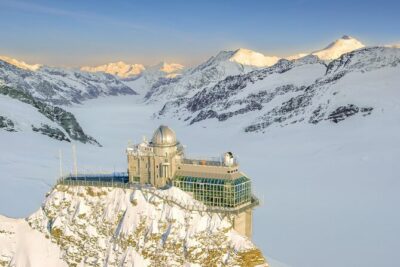
Jungfraujoch Day Trip from Lucerne with Eiger Express Gondola
Read our review →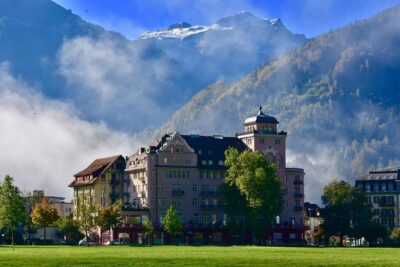
Eiger and Jungfrau Glacier Panorama Tour from Zurich
Read our review →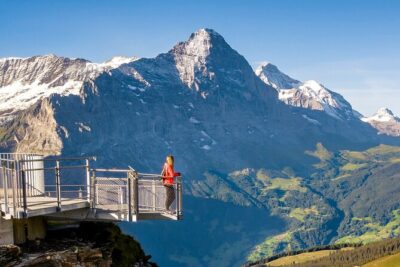
Browse the lists this tour appears in