
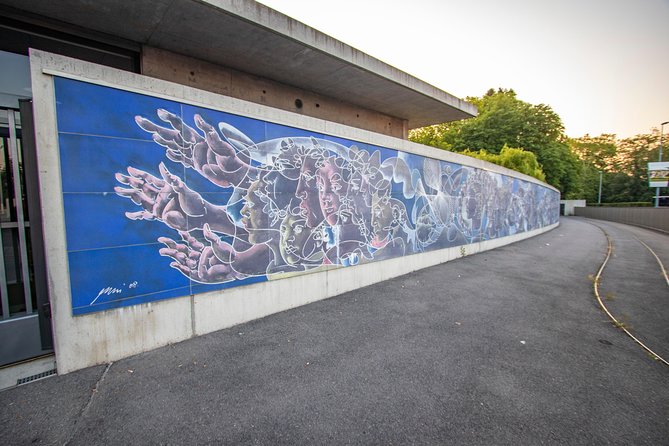
Reviewed · GENEVA TOURS
Best Intro Tour of Geneva with a Local
Geneva’s best introduction may be a walk that connects its old religious center with its modern role in world affairs. This tour moves from the cathedral and Reformation Wall to Pâquis, the United Nations area, and Musée Ariana, giving you a quick look at several sides of the city.
I like the small-group format, which lets you ask questions and set a comfortable pace. I also like the practical touch of receiving restaurant and cafe recommendations from someone who knows Geneva locally. The appearance of Philippe, a guide who grew up in the area, adds a personal angle.
The main concern is price. At $184.75 per person for about two hours, this is costly if you expect a standard group walk. It makes more sense if you value private or nearly private guiding, local advice, and an efficient first look at Geneva.
Key points to know before booking
- A compact route across several sides of Geneva: The walk links the cathedral, Reformation Wall, Parc des Bastions, Brunswick Monument, Pâquis District, the United Nations area, and Musée Ariana.
- Small numbers matter: The maximum group size is eight, and one booking operated one-to-one with the host.
- A local guide shapes the experience: Philippe is one named host, and his local background can give the walk a more personal feel.
- Useful food advice comes with the walk: You leave with restaurant and cafe suggestions for the rest of your Swiss holiday.
- The price is high for a short tour: The value depends on how much you want personal attention and help getting oriented quickly.
- You finish near Musée Ariana: Museum admission is not included, so treat the final stop as an optional follow-up visit.
A quick Geneva orientation in two hours
This experience works best as a first-day walk. Geneva can feel spread out in a short visit because its old center, lakefront, international district, and neighborhoods each have a different character.
The route gives you a useful sample rather than a deep visit to every attraction. You will see major places from the outside and get context from a local, but the tour does not include museum admission, meals, drinks, or snacks.
The advertised highlights refer to five stops, while the route details identify seven points of interest. That suggests some locations may be grouped together or treated as brief stops. If you want a long cathedral visit, a full museum tour, or extended time at the United Nations, this two-hour walk will feel too short.
A few more Geneva trips worth comparing
- Award-Winning Geneva Chocolate &Old Town Tour with Boat Ride (3h)
★ 5.0 · 3,721 reviews - Chamonix & Mont Blanc Panoramic Sky-Glass Bus Guided Day Trip
★ 4.0 · 1,324 reviews - Annecy – Venice of the Alps – Tour from Geneva
★ 4.5 · 418 reviews
Starting at the National Monument
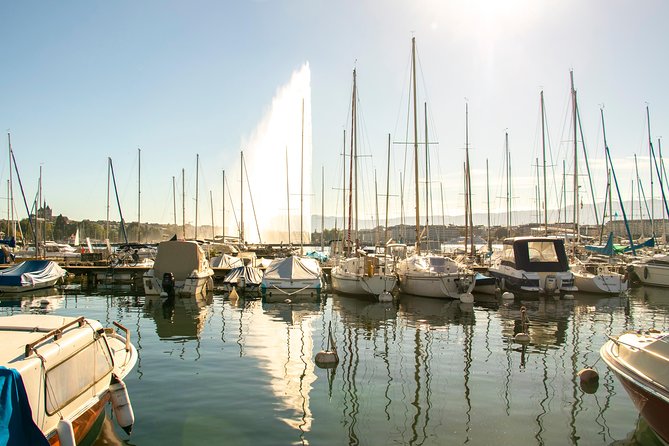
The meeting point is the National Monument at Promenade du Lac 2. This puts you close to the lake and in a useful starting position for seeing how Geneva connects its waterfront with the old city.
Beginning here gives the walk a clear sense of place. You are not starting in an anonymous hotel district or at a transport terminal. Instead, you begin beside one of Geneva’s public landmarks and then move through a series of places that explain the city’s political, religious, and cultural identity.
Because the tour is short, arrive ready to walk and keep your schedule open. The exact route between stops is not specified, so you should not assume every location receives equal time. The local guide is there to shape the route around your group, which is one of the better reasons to choose this format.
Geneva Cathedral and the city’s Protestant past
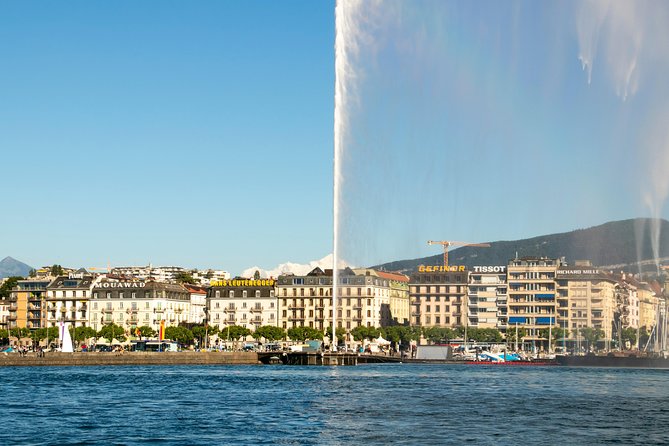
The cathedral is the first major historical stop. The guide introduces it as a building full of history, and it gives you a strong entry into Geneva’s religious past.
The nearby International Monument to the Reformation adds important context. The monument honors key people, events, and documents connected with the Protestant Reformation. This is not just another old-city photo stop. It helps explain why Geneva became an important center for religious change and debate.
I like the pairing of these two sites. The cathedral gives you the physical setting, while the Reformation monument points to the ideas and people that shaped Geneva’s place in European history. You can ask questions as you go, rather than trying to assemble the story from plaques later.
The limitation is time. This is an introduction, not a specialist history walk. If religious history is your main reason for visiting Geneva, you may want to spend additional time in the old city after the tour.
Parc des Bastions and the Reformation Wall
Parc des Bastions is described as an essential Geneva stop, and its position along the historic route makes it a natural place to slow down. The park gives the walk some breathing room after the cathedral and monument.
Its most important feature here is the International Monument to the Reformation, with its large figures and carved scenes. The monument can be difficult to understand as a quick photograph, so a guide’s explanation is useful. You get a better sense of why these names and events matter to Geneva.
The park also helps you compare different versions of the city. Geneva is not only a place of churches and international offices. It has public spaces where local life continues around the historic monuments.
Do not expect a long park visit. On a two-hour schedule, the stop is likely designed for orientation, explanation, and photos. That is fine for a first visit, but you will need to return on your own if you want a quiet break or a closer look at the monument.
Same base, a completely different kind of day:
- Best of Geneva City Tour with optional boat cruise
★ 4.0 · 416 reviews - Geneva Highlights 2-Hour Introductory Tour
★ 4.0 · 322 reviews - Chamonix Mont-Blanc Full Day Guided Tour
★ 5.0 · 314 reviews - Chamonix & Mont Blanc Guided Day Trip with SkyView Panoramic bus
★ 4.5 · 310 reviews
Brunswick Monument and the lakefront setting
The Brunswick Monument is a neo-Gothic mausoleum built in honor of Charles II, Duke of Brunswick. It gives the route a more unusual architectural stop, since it is not as immediately familiar to many first-time visitors as the cathedral or the UN.
The monument also adds variety. You move from religious buildings and political memorials to a highly decorative memorial connected with a duke. A local guide can help you understand why this structure belongs in Geneva’s story, even if you had not planned to seek it out.
Its lakefront setting makes it an easy stop to combine with the opening area. The walk can show you how Geneva’s public spaces are connected, rather than treating every attraction as a separate point on a map.
You should keep your expectations realistic. The information provided does not promise entry into the mausoleum, so plan on seeing and discussing it from the route. That is typical of a short orientation walk, but it matters if you prefer interior visits.
Pâquis District, Geneva’s more social side
Pâquis District is described as a lively neighborhood with strong diversity and plenty of activity. This is an important change of tone after the formal monuments and historic sites.
I like this part of the route because it gives you a look at present-day Geneva. Old buildings and international institutions can make a city feel polished and official. Pâquis helps balance that picture with a neighborhood known for daily life, restaurants, cafes, and a broad mix of people.
This is also where the guide’s food suggestions may be especially useful. You are promised restaurant and cafe recommendations to help with the rest of your Swiss holiday. Those suggestions can be more valuable than a generic list, particularly if you want to know where to eat after the walk.
The tour does not include food, drinks, or snacks, so do not treat the district as a tasting tour. You can ask the guide for recommendations, but purchases are your responsibility. If you hope to stop for a meal during the two-hour experience, confirm that plan with the host rather than assuming it is built into the schedule.
The United Nations area and Geneva’s global role
The route then reaches the United Nations, described as a major symbol of cooperation and peace and the European headquarters of the organization. This gives the tour a second major theme after the Reformation: Geneva as a place where international decisions and diplomacy take place.
The contrast is valuable. In the old center, Geneva’s identity is tied to religion, local politics, and European history. Near the UN, the city takes on a global role. You can see why Geneva is more than a Swiss lakeside destination.
The tour does not say that a guided interior visit to the UN is included. You should expect an exterior look and an explanation from the local guide. If entering the complex is important to you, check separately before booking.
The international district can also feel less intimate than the old center. That is not a flaw, but it changes the mood. The guide helps connect the modern institutions to the city you have already seen, keeping the stop from becoming just another impressive building.
Finishing at Musée Ariana
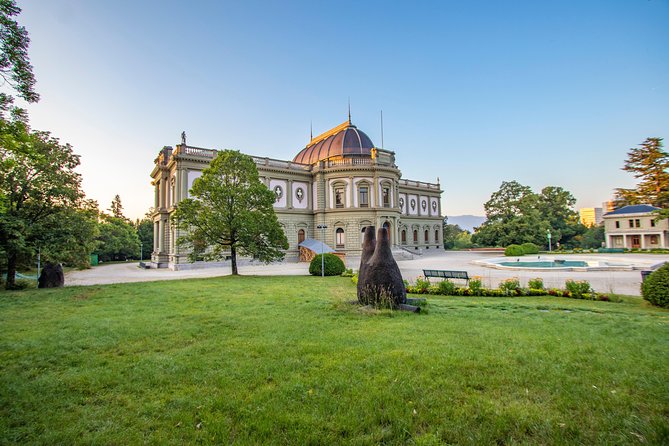
The walk ends at Musée Ariana, located on Avenue de la Paix 10. The museum is presented as a must-visit for art lovers and people interested in history.
Ending here gives you an optional cultural follow-up. If you enjoy museums, you can continue exploring after the tour. If your schedule is full, you can simply use the museum and its surroundings as the final point of your orientation.
Admission is not included. That is important when calculating the real cost of the outing. The tour price covers the local guide, not entry to the museum or any other paid attraction.
The final stop also makes the route useful for planning. You finish near Geneva’s international district rather than returning to the lakefront starting point. If you have another appointment afterward, allow time to reach it from Musée Ariana.
How personal is the guiding?
The group limit is eight people, which is small enough for questions and conversation. More importantly, the experience is designed around only your group, with the guide moving at your pace.
One booking ended up as a one-to-one experience with the host. That is excellent for personal attention, but you should not assume every departure will be private unless the booking terms specifically confirm it. The listed maximum is eight travelers.
Philippe is one named guide associated with the experience. A previous walk with him was described as flexible, cheerful, and locally grounded, with the guide having grown up in the area. That kind of background can make a difference when you want practical advice, not just memorized facts.
The guide’s personality appears to be part of the appeal. One morning was windy, yet the host kept the mood warm and upbeat. Weather can affect any walking tour, so bring suitable clothing, especially if you are visiting Geneva during a cooler or unsettled period.
Is $184.75 per person a fair price?
The price deserves careful thought. At $184.75 each, this is not a budget sightseeing walk, especially since it lasts about two hours and excludes museum admission, food, drinks, and personal expenses.
The strongest value comes from the format. You are paying for a local person who can adjust the pace, answer questions, and offer restaurant and cafe recommendations. If your booking is private or close to private, the cost becomes easier to justify for a couple or a small family that wants focused attention.
The value is weaker if you simply want a broad group overview of Geneva. You could prefer a less expensive public tour and spend the savings on a museum or meal. One participant felt the guide was good but the experience did not justify the price, so this concern is real.
I would book it when time is short, you want a personal introduction, and the price fits your budget. I would skip it when you mainly want entry into attractions or a long historical lecture. The tour is about orientation and local connection, not a full-day sightseeing package.
Timing, accessibility, and cancellation details
The experience lasts approximately two hours and is offered in English. Confirmation is provided when you book, and the experience is near public transportation.
Most people can participate, and service animals are allowed. The information does not give a detailed accessibility description for surfaces, slopes, seating, or restrooms, so contact the provider if you have specific mobility needs.
You can cancel for a full refund up to 24 hours before the local start time. Cancellations or changes made less than 24 hours before the start are not accepted for a refund. That cutoff matters if your Geneva plans may shift.
Who should book this Geneva walk?
This experience suits you best if:
- You are visiting Geneva for the first time and want a quick city framework.
- You prefer a small group over a large scheduled tour.
- You want a local person’s restaurant and cafe suggestions.
- You enjoy seeing both historic Geneva and the international district.
- You have only two hours available.
- You are willing to pay more for personal attention.
It is less suitable if you want extensive interior visits, a museum ticket, included food, or the lowest possible price. It also may not satisfy you if you prefer to spend a full morning at one attraction rather than moving among several.
Should you book the Best Intro Tour of Geneva with a Local?
Book this tour if you want a personal first look at Geneva and value a flexible host over a bargain-priced group excursion. The route covers an impressive range in two hours, from the cathedral and Reformation Wall to Pâquis, the United Nations, and Musée Ariana.
Before paying, consider the price and confirm what kind of group arrangement you expect. If you receive a private or nearly private walk, the cost is easier to defend. If you are placed in a small group, the experience can still work well, but you should understand that the short duration leaves little time at each stop.
FAQ
Where does the Geneva tour start?
The tour starts at the National Monument, Prom. du Lac 2, 1204 Genève, Switzerland.
Where does the tour end?
The tour ends at Musée Ariana, Av. de la Paix 10, 1202 Genève, Switzerland.
How long does the experience last?
It lasts approximately two hours.
What language is the tour offered in?
The experience is offered in English.
How many people can join the tour?
The maximum group size is eight travelers. Depending on the booking, it may operate as a private experience, including a one-to-one tour with the host.
Is museum admission included?
No. Museum entrance is not included in the price.
Are food and drinks included?
No. Food, drinks, snacks, and personal expenses are not included.
Is the tour suitable for most people?
Most travelers can participate, and service animals are allowed. The tour is also near public transportation.
Can I cancel for a full refund?
Yes. You can cancel at least 24 hours before the local start time for a full refund. Cancellations and changes made less than 24 hours before the start are not accepted for a refund.
Recently added in Geneva
- Swiss Vineyard Wine Tasting Tour in Vaud★ 5.0 · 5 reviews
- Old Town Geneva Private Walking Tour★ 4.5 · 4 reviews
- Geneva Highlights Tour by TaxiBike★ 5.0 · 6 reviews
- Six Hour Private Tour of The Swiss Riviera★ 5.0 · 11 reviews
- Private Trip from Geneva to Annecy in France★ 5.0 · 7 reviews
- Private Trip from Geneva to Swiss Riviera Montreux & Chamonix★ 3.5 · 6 reviews
- Self-Guided Audio Tour to the Many Faces of Geneva★ 4.5 · 10 reviews
- Private Transfer from Geneva City to Geneva Airport★ 5.0 · 4 reviews
Geneva Tours, compared.
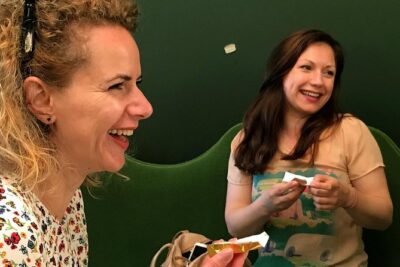
Award-Winning Geneva Chocolate &Old Town Tour with Boat Ride (3h)
Read our review →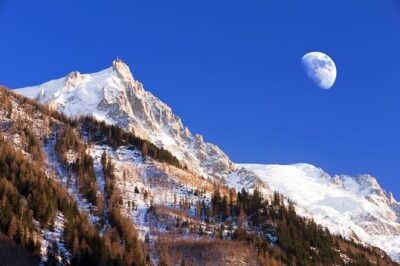
Chamonix & Mont Blanc Panoramic Sky-Glass Bus Guided Day Trip
Read our review →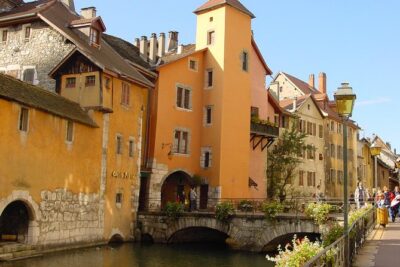
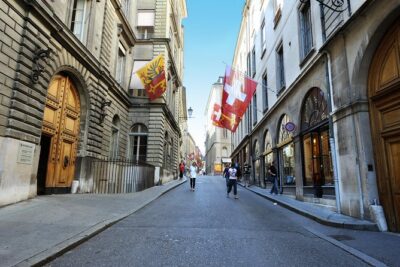
Best of Geneva City Tour with optional boat cruise
Read our review →
Chamonix & Mont Blanc Guided Day Trip with SkyView Panoramic bus
Read our review →
Gruyères Tour from Geneva With Train, Chocolate and Cheese
Read our review →Browse the lists this tour appears in